
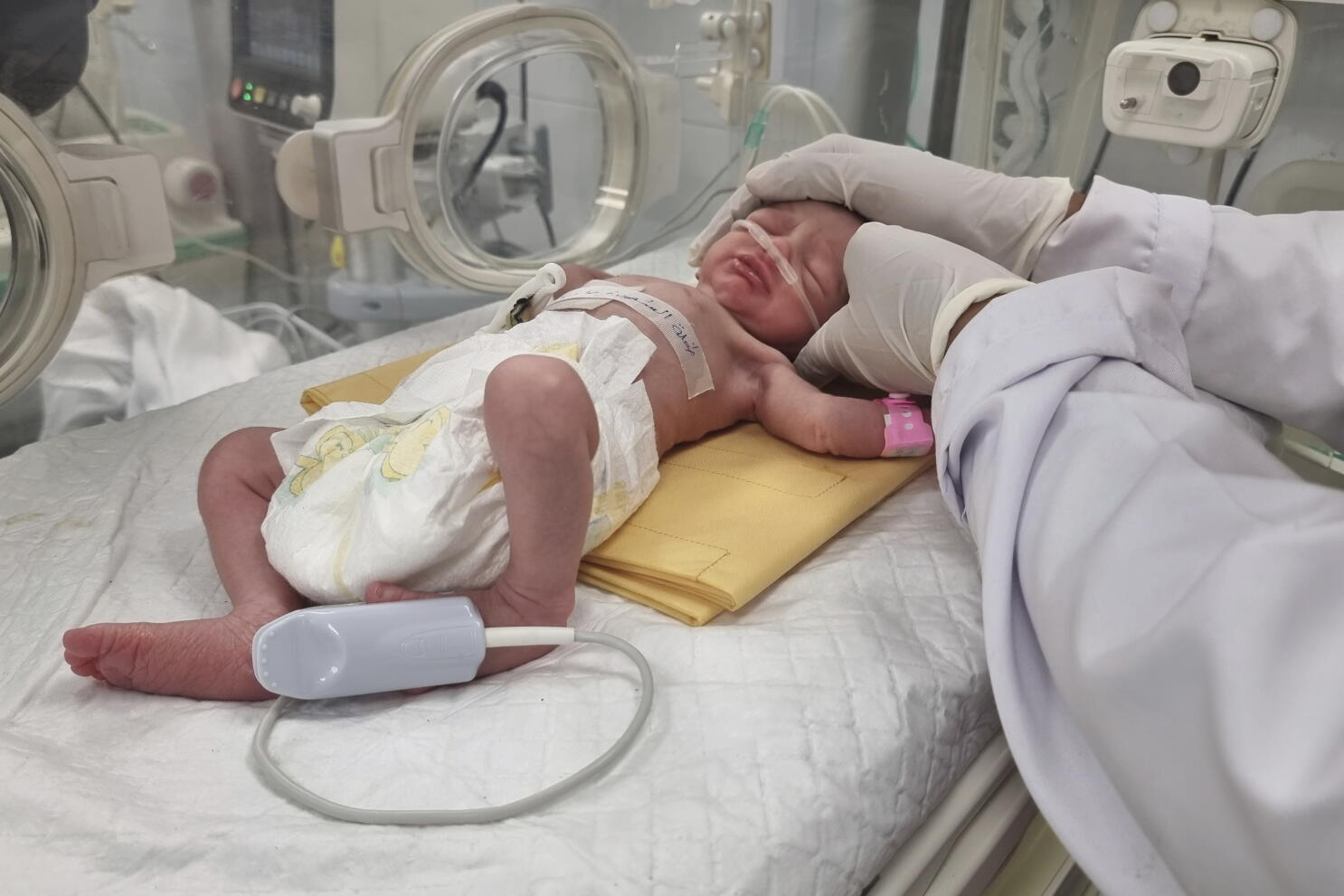
Premature Birth in Türkiye: Managing Two Medical Journeys at Once
At approximately 25–27 weeks of pregnancy, the insured patient went into premature labour and was taken to hospital by ambulance.
Following delivery, the newborn required specialist neonatal care that was not available at the initial facility.
Two patients, two medical pathways
The newborn was transferred to a medical centre equipped with the required specialists and a neonatal intensive care unit. The mother remained at the original hospital to continue receiving treatment until her condition stabilised.
What initially appeared to be a single medical emergency therefore developed into two parallel care pathways, involving different medical teams and facilities.
Critical care for the newborn
The newborn was diagnosed with intracranial haemorrhages associated with extreme prematurity and required mechanical support and continuous specialist monitoring. Further diagnostic investigations were planned to assess the baby's condition and identify potential complications.
Given the severity of the situation and the need for specialised treatment, the insurer agreed to cover the case as an exception. The newborn subsequently stabilised and remained in hospital under medical supervision.
For Remed Assistance, coordinating complex medical pathways such as this is part of its day-to-day assistance operation. The team coordinated communication between the medical facilities, insurer and other parties involved, while maintaining continuity of care for both mother and newborn across separate treatment locations.