
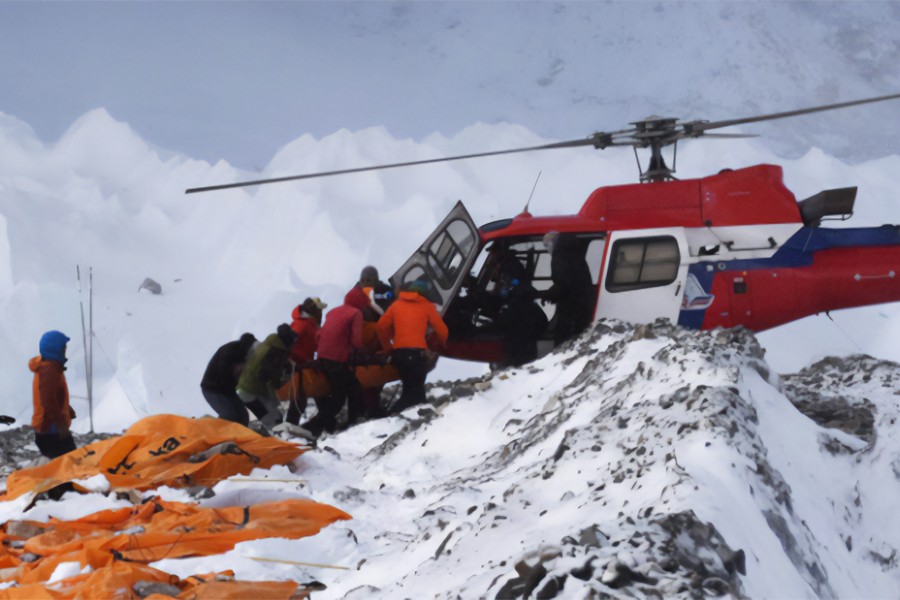
Rescue at High Altitude: Medical evacuation from Nepal
In early November, the Remed Assistance team successfully coordinated two helicopter evacuations from Lukla, Nepal (2,860 m). Both travelers — a 48-year-old man and a 37-year-old woman — developed severe symptoms of acute mountain sickness and needed immediate transport to specialized clinics in Kathmandu.
Operational Challengings
Nepal is a popular destination for trekking and mountaineering. However, the difficult terrain and high risks in the Himalayas often lead to situations where adventure seekers may need an urgent helicopter evacuation due to a sudden decline in their health. These operations are always complex and involve several challenges:
- unstable mobile connection, which complicates insurance verification;
- rapid deterioration of the patients’ condition;
- dependence on weather windows for helicopter takeoff;
- the need for fast and accurate coordination between local rescue teams, helicopter operators, and medical facilities.
With the support of Remed Assistance’s trusted local medical and transport partners, rescue helicopter teams reached out without delay, helping us coordinate both evacuations quickly and smoothly.
Continuous Coordination
Both patients were safely transported to our partner hospitals in Kathmandu, where medical teams began their treatment without delay. Because of the patients’ serious condition and unstable communication, they could not complete their insurance procedures on time. Our team managed all necessary documentation and approvals, issued payment guarantees, and coordinated every stage of the hospitalization process.
The travelers were pleasantly surprised that all arrangements — evacuation, hospitalization, and treatment organization — were managed smoothly without their involvement.
After their condition stabilized, both tourists were discharged and received medical clearance to fly home. Although their journey was interrupted, they are determined to return one day to conquer new heights — knowing that even in the most remote mountain regions, they can rely on dependable support.